A Beginner's Guide to Cleansing Crystals Without Water: 7 Safe Methods
If you have just brought home a selenite wand, a polished piece of malachite or a lump of pyrite, the advice you will read most often — rinse it under the tap and leave it in the sun — is the advice most likely to spoil it. Water is fine for quartz, amethyst and most hard, non-porous stones. For others, it is a slow accident.
The good news is that dry cleansing works just as well, and it is usually quicker. Here are seven methods that will not damage a water-sensitive stone, with notes on selenite, malachite and pyrite at the end.
Know which stones need to stay dry
Three qualities make a crystal a poor candidate for a rinse:
- It dissolves or softens. Gypsum (selenite and satin spar), halite, calcite and celestite are soluble or partly soluble. Repeat soaking leaves them cloudy, pitted and crumbly.
- It contains iron or copper. Pyrite, marcasite and many copper-bearing stones oxidise in moisture. Pyrite rusts, and the rust spreads across a shelf if you let it.
- It is soft, layered or coated. Malachite, azurite, fluorite, opal, turquoise and mica scratch or flake easily, and plenty of polished pieces carry a wax or resin finish that water and soap will dull.
If you are not sure which group a stone falls into, treat it as water-sensitive. Dry methods cost you nothing.
Seven dry cleansing methods
1. Sound
Singing bowls, tuning forks and small bells all work. Rest the stone on a cloth beside the bowl — inside it, a tumbled stone will rattle and scratch the bowl — strike it and let the note fade completely. Turn the stone and repeat three or four times. Two minutes, no mess, and safe for every mineral on this list.
2. Smoke
Light a stick of incense, a bundle of dried rosemary or a few cedar tips, then blow out the flame so the material smoulders. Pass the stone through the smoke three to five times, or hold it in the plume for half a minute, keeping a hand's width between stone and ember so soot does not settle on the surface. Open a window. If you use white sage or palo santo, buy from a supplier with clear sourcing; loose herbs and incense work just as well.
3. Dry salt
Sea salt or rock salt in a glass dish, with the stone resting on the surface or half-buried for a few hours. Brush it clean afterwards. Keep two things in mind: salt is abrasive and mildly corrosive, so keep it away from polished malachite, pyrite, calcite and anything with a metal finding, and never press soft stones into it. Salt is single-use — tip it away and start fresh next time.
4. Rice and dried herbs
A bowl of dry brown rice or dried lavender, with tumbled stones nestled in it overnight, is the gentlest option here. Refresh the rice or herbs every few weeks; they take on moisture from the air and lose their scent. A dry brush belongs in this section too. A soft makeup brush or clean toothbrush flicked across a stone shifts dust and grime, and for most pieces on a shelf that is all the cleaning they need.
5. Moonlight
An overnight stay on a windowsill is the classic option, and it works on everything, including selenite and opal, because it is too gentle to fade colour. Any clear night will do; full moons are tradition rather than requirement. If your sill catches strong morning sun, move the stone to the side — amethyst, rose quartz, citrine, fluorite and smoky quartz can all lose colour after long exposure.
6. Selenite plates and charging stations
A flat piece of satin spar, or a wooden plate, gives you somewhere to rest stones between uses, and selenite is traditionally said to clear whatever sits on it. Two practical points: selenite is soft, so do not drag rough specimens across it, and the plate itself is water-sensitive, so dust it with a dry brush rather than a damp cloth. Treat a plate as storage rather than a deep clean — a smoke pass first, then a night on the selenite, is the usual order.
7. Breath and intention
Hold the stone in cupped hands, breathe slowly and set one clear intention, something like "only what belongs here". It is the method you can use anywhere, at a desk or in a hotel room, and it pairs with the others rather than replacing them. If the intention part is not for you, the breath still counts: you are warming the stone and loosening surface dust with your hands, which is more than it gets sitting in a bowl.
Selenite, malachite and pyrite
Selenite
Never rinse it. Satin spar and desert rose are gypsum, and water etches the surface, turns edges milky and eventually breaks pieces down. Use smoke, sound, moonlight or a dry brush. If a piece looks dusty, a soft brush is the only cleaning it needs. Store selenite away from damp: a bathroom windowsill is the worst place for a tower, and it will craze slowly over months.
Malachite
Malachite is soft, around 3.5 to 4 on the Mohs scale, and usually finished with wax or resin. Soaking dulls that finish, and salt is worse, abrading the surface until it looks chalky. Keep malachite away from water, salt, acidic cleaners and damp shelves. Smoke, sound, dry rice and a dry brush are all safe. One safety note: malachite contains copper, so do not sand, file or grind it at home — that is workshop work with proper dust extraction.
Pyrite
Pyrite is iron sulphide, and moisture sets off oxidation. Once rust appears on the surface it spreads, and salt speeds the process up considerably, so never salt-cleanse pyrite. Keep it dry, in a low-humidity spot, and add a silica gel sachet if you live somewhere damp. A dry soft brush handles dust. Check stored pyrite every few months for a white or rust-coloured bloom; if you spot it, isolate the piece and keep it dry rather than trying to wash it.
A routine you'll actually keep
For most collections, a simple cycle is enough:
- Dry brush everything once a month. It takes two minutes and shifts more grime than any ritual.
- Smoke or sound the stones you carry or work with weekly, or at the end of a heavy week.
- Rest water-sensitive pieces on a selenite plate or in dry rice between uses.
- Give the whole shelf a night in moonlight once a month.
None of this needs to be precise, and no stone suffers from being left alone for a while. Pick the method that fits your week, keep the water-sensitive pieces dry, and the rest will follow. If you are ever unsure whether a stone can take water, leave it dry: you lose nothing, and you might save a favourite. For anything you plan to drink, use the indirect method — the stone in a separate glass beside the water, never in it — and speak to a healthcare professional first if you have any health concerns.
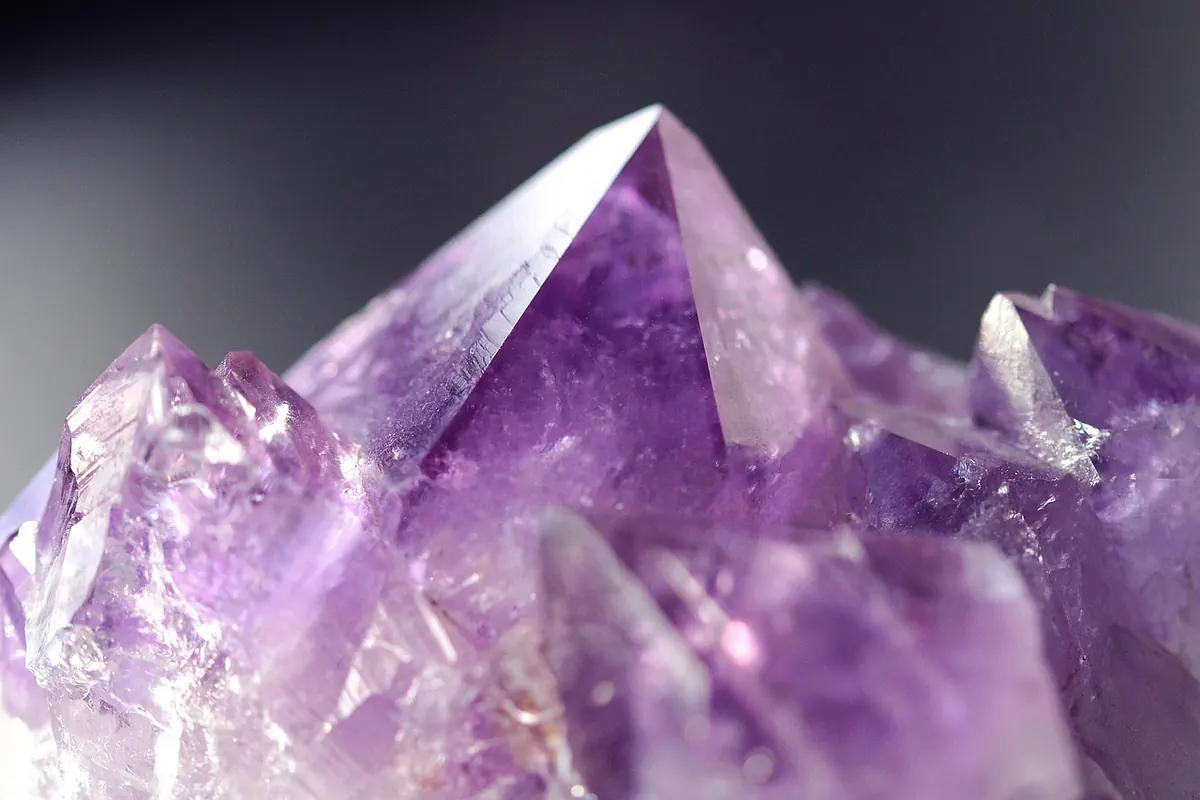
Photo: Dieter444 / Pixabay